Introduction
Many people struggle with varicose veins, which are swollen, twisted veins often seen in the legs. These veins can cause pain, heaviness, or swelling. For those seeking gentle options, homeopathy for varicose veins is gaining attention. This blog explains what varicose veins are, how homeopathy may help, and offers tips for natural relief. You will also learn when to seek medical advice.
What Are Varicose Veins?
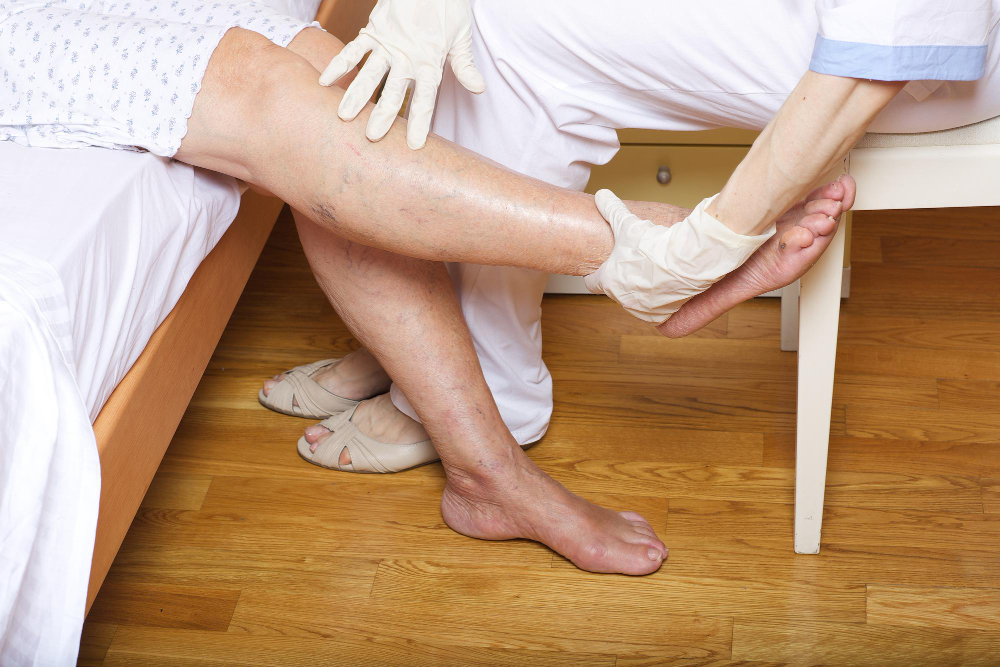
Varicose veins are enlarged veins that appear just under the skin. Usually, they look blue or purple and may bulge out. Most often, they develop in the legs. However, they can appear in other areas too. These veins form when tiny valves inside the veins stop working well. As a result, blood pools in the veins, causing them to swell. According to the World Health Organization, varicose veins are common, especially in older adults and women.
Common Symptoms and Causes
Varicose veins can cause several symptoms. For example, you may notice:
There are many causes. For instance, standing or sitting for long periods can raise your risk. Age, pregnancy, obesity, and family history also play a role. In addition, hormonal changes may make veins weaker over time.
How Homeopathy Approaches Varicose Veins
Homeopathy is a natural system of medicine. It uses tiny doses of substances to help the body heal itself. When treating varicose veins, homeopaths look at your symptoms, lifestyle, and overall health. Unlike some treatments, homeopathy aims to ease discomfort and improve blood flow naturally. Many people choose homeopathy for varicose veins because it is gentle and non-invasive. Still, it is important to remember that scientific evidence for homeopathy is limited. The World Health Organization suggests using homeopathy as a complementary approach, not a replacement for medical care.
Popular Homeopathic Remedies for Varicose Veins
Several homeopathic remedies are used for natural relief of varicose veins. Some common options include:
However, always consult a qualified homeopath before starting any remedy. Each person’s needs are different, so a professional can guide you best.
Lifestyle Tips to Support Homeopathic Treatment
Along with homeopathic remedies for leg veins, simple lifestyle changes can help. For example, you can:
In addition, drinking enough water and eating a balanced diet can support vein health. These steps may boost the effects of natural relief for varicose veins.
Prevention and Self-Care Strategies
Preventing varicose veins is not always possible, but you can lower your risk. For instance, try these self-care tips:
Moreover, regular movement helps your veins work better. Even small changes can make a difference over time.
When to Consult a Healthcare Professional
While homeopathy for varicose veins can offer comfort, some symptoms need medical attention. For example, see a doctor if you notice:
Early care can prevent serious problems. Therefore, always talk to a healthcare provider before starting any new treatment.
Conclusion
In summary, homeopathy for varicose veins may help ease discomfort naturally. However, it works best when combined with healthy habits and regular check-ups. For safe and effective care, consult a qualified homeopath or healthcare provider for personalized advice on managing varicose veins.